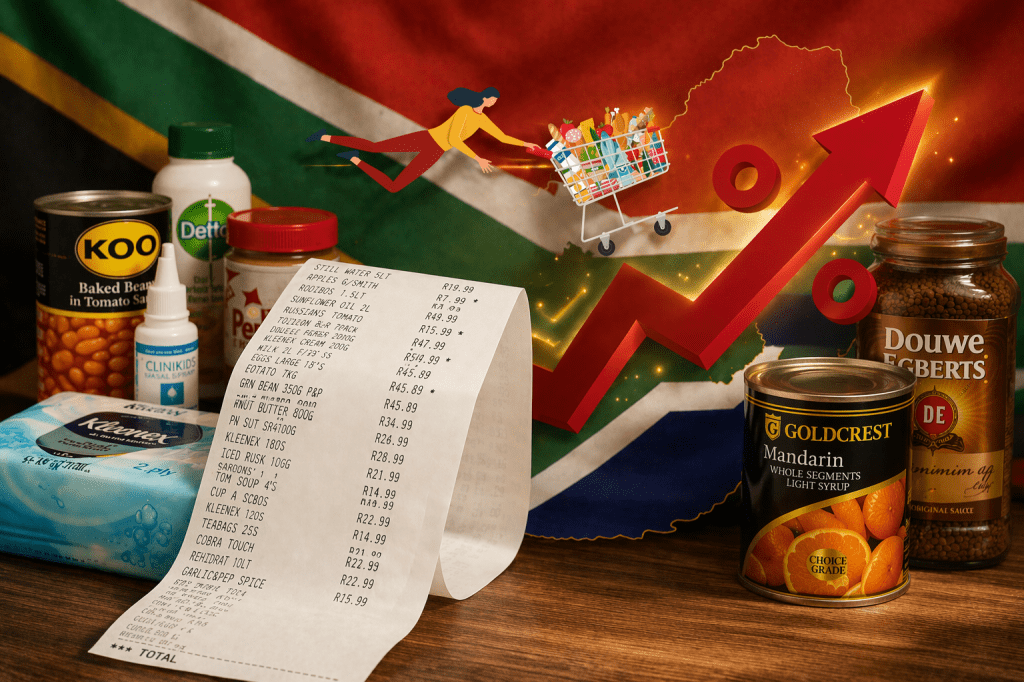
When you are at a checkout these days it often feels as if the cashier is double-scanning your groceries. That’s the cost of living at work. It’s hard to stretch R1000 over two shopping bags these days. Do you remember those days when R1000 was enough to fill the trolley?
The cost-of-living crisis in South Africa and the world is a never-ending story.
The question is not when will cost of living stay the same, but rather how to cope. Complaining about the increase in the price of bread, electricity, water, or fuel, thanks to war. The inflation talk is ancient.
These days no need to pick a shopping basket if your goal is R1000 worth of groceries. Your two hands are just fine, even enough room to tap your phone. No need to open your wallet to pay.
Inflation in South Africa: From Grocery Prices to the Cost of Dying

This is nothing new, my friend. Our parents had the same conversation, and their parents too.
Complaining about rain won’t help; it will still rain. Rather wear a raincoat, not entirely rainproof but better than a vest. Intentional living is about focusing on what you can control.
You think cost of living is too much? Not so, have you calculated cost of dying? Not cheap either. Apparently, the cost of an average coffin ranges from R5k to 15k.
Don’t check the premium coffin price. In some cases, it’s higher than my salary. We are talking R50k to feed maggots.
How about cost of marriage? A friend of mine is getting married soon, he showed me the numbers. Don’t even think about divorce, I told him it’s much worse.
Unfortunately, he will not avoid cost of babies. Such is life, no easy way out.
Survival of the fittest in nature, they say.
Cost of staying alive, or should I say cost of essentials that enables you to live life, is always rising. This is not a new trend, in fact going up is normal. Knowing this allows you to approach life with a bit of ease and strategy.
How to Beat Inflation in South Africa: 4 Areas You Control
The idea is not that cost of living should not rise. If you are the government’s economist maybe. Most of us are just ordinary people. Our approach should be how do we plan for this eventuality.
Your area of control must be stated,
- Earning power
- Current skills you possess,
- Skills development, AI is here to stay
- Management of your earnings.
These areas above are mostly in your control, not the rising price of beef mince as a result of foot and mouth disease outbreak in KwaZulu Natal.
Life is packed to the brim with uncertainty, the uncontrollable, even your whole life insurance policy is not enough.
Talking about insurance don’t confuse it with investment. Your whole life insurance policy is money invested by the insurance company hoping you won’t die early. This is definitely not an investment from your end but rather covers your death.
Whereas investment protects both death and life experiences like the cost of your next shawarma.
Saving vs. Investing in 2026: Protecting Your Wealth
If the rise in cost of living is guaranteed, investing your hard-earned money is the antidote. Saving and investing a substantial portion of your money is extremely important if you are to cushion yourself from inflation and never-ending price increase.
In order to save or even invest your money as a shield to rising prices, one needs to be intentional.
Going back to the rain analogy, you can’t go outside for a hike before checking the weather forecast. After checking then, you pack your raincoat. In this case we are certain that clouds are building. It would be reckless to not be prepared at all.
Simple strategy, define your needs and wants, create a budget and follow it religiously. I promise you will thank me later.
Emergency fund is no longer a good to have but a must have.
Term Life Insurance vs. Whole Life: Which is Better?

Building your own investment portfolio is self-insuring. Gone are the days of relying on your employer or a whole life policy only.
The idea is to somehow self-insure yourself over time. I suggest to take term life insurance and invest the difference. This approach is the only viable option in my mind since it is self-empowering. Just remember you need discipline to pull this plan off.
I say suggest since this is my opinion and not financial advice, doing your homework goes a long way and possibly reaching out to a professional if needed.
My friend, no one is coming for you, plan your own strategy.
There is a Isizulu saying that says Ukukhala akusizi. (crying doesn’t help), Yes, the Zulus were spot on, crying doesn’t help. In fact, no one cares. You can cry all day, life carries on.
Talking about the Zulus, think about the ancient Zulu warriors. They carried shields when going to war. Saving and investing money is like your shield ready to protect you from inflation, rising prices etc.
Shields are effective but they won’t stop the war. It would be reckless to go on one-on-one combat without protection, in fact it’s suicidal unfortunately most people approach their personal finances this way.
Mindset and Money Reality
When I grow old, I want to be poor. This is a zombie dream that most South Africans live to. No judgements by the way, but if you don’t plan your personal finance this could become a dream come true. Negative dream obviously, or should I say nightmare.
Live by chance and you could just become a chance and leave by chance. Whether your salary is R10 000, R8000, R15 000 or R50 000 no excuses. Inflation doesn’t negotiate with you; it’s up to you to be prepared for it.
Inflation Never Waits
The inflation monster doesn’t care; he or she is after your money period.
This is the very reason saving money only without investing is self-defeating. Preparation becomes the bigger part of coping with rising cost of living. It’s more like dying, it’s not a matter of if but when.
My friend, live your life, death is around the corner, so is the rising cost of living. I wonder who will come first in your life journey.
Cost of living is always with us; take your umbrella too more preparation is better than none.
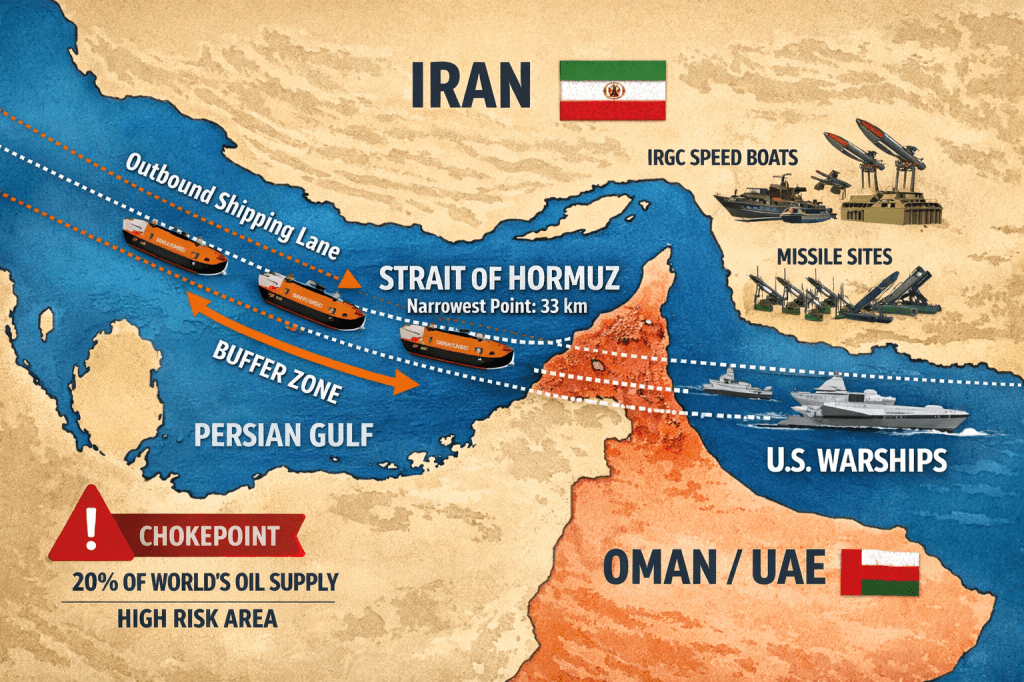
Whether it’s COVID19, 2008 financial crash or the blocked Strait of Hormuz 2026 this list goes on and on as long as you are still alive.
We been here and we survived, for sure we will survive but we need to thrive. That’s why we need a proactive approach not a reactive one.
As unpredictable life is there are things that are predictable, tough times are part of life.
Worrying only makes it worse; panic is noise and controlling the controllable is the antidote.
The Power of Resourcefulness: learning to adapt

The other day I had a conversation with a pensioner living on social grant. Tough as he explained but that old man is resourceful, from cutting grass and odd painting job. Now that’s controlling the controllable.
I am sure most people reading this post are not 65 years old. Most of you are still in control of your time. Don’t let fear and noise distract you from the signal. If you are 65 and above here is the case study for you, it’s not too late.
Nothing is new under the sun says the wise man. Inflation and cost of living is the same old noise.
Be resilient and figure out where to from here, more storms are on the way, new storms different ones but same old result in rising cost of living, inflation fear and more fear.
We been there, we wore masks, sanitised hands, gave fist bumps and survived the global lockdown.
We are still standing, nothing is new.
What one proactive move are you strategically implementing today to cushion your life from inflation?
Disclaimer: The views expressed in this post are personal opinions and do not constitute formal financial advice. Please consult with a registered Financial Services Provider (FSP) before making significant financial decisions
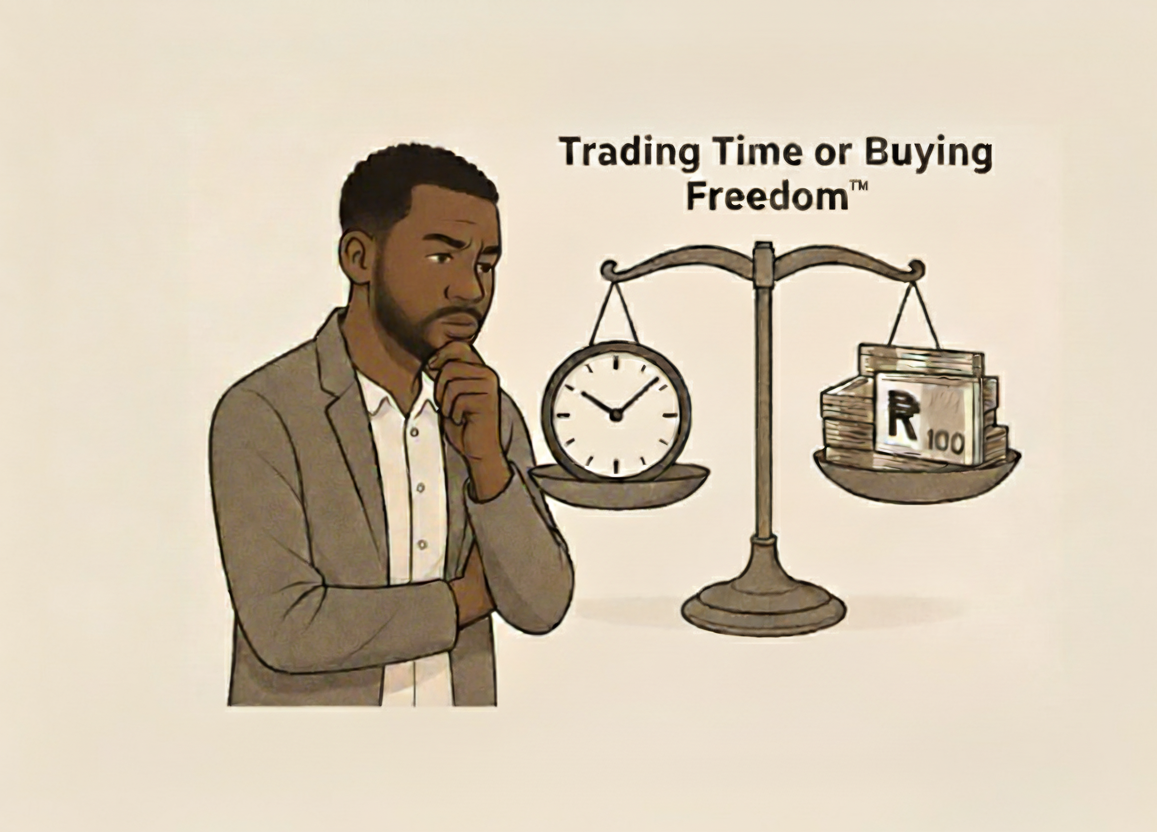
 Trading Time or Buying Freedom
Leave a comment